Blogs
INSIGHT
2 min
Jan 12, 2026
How do I stop feeling overwhelmed by my own life?
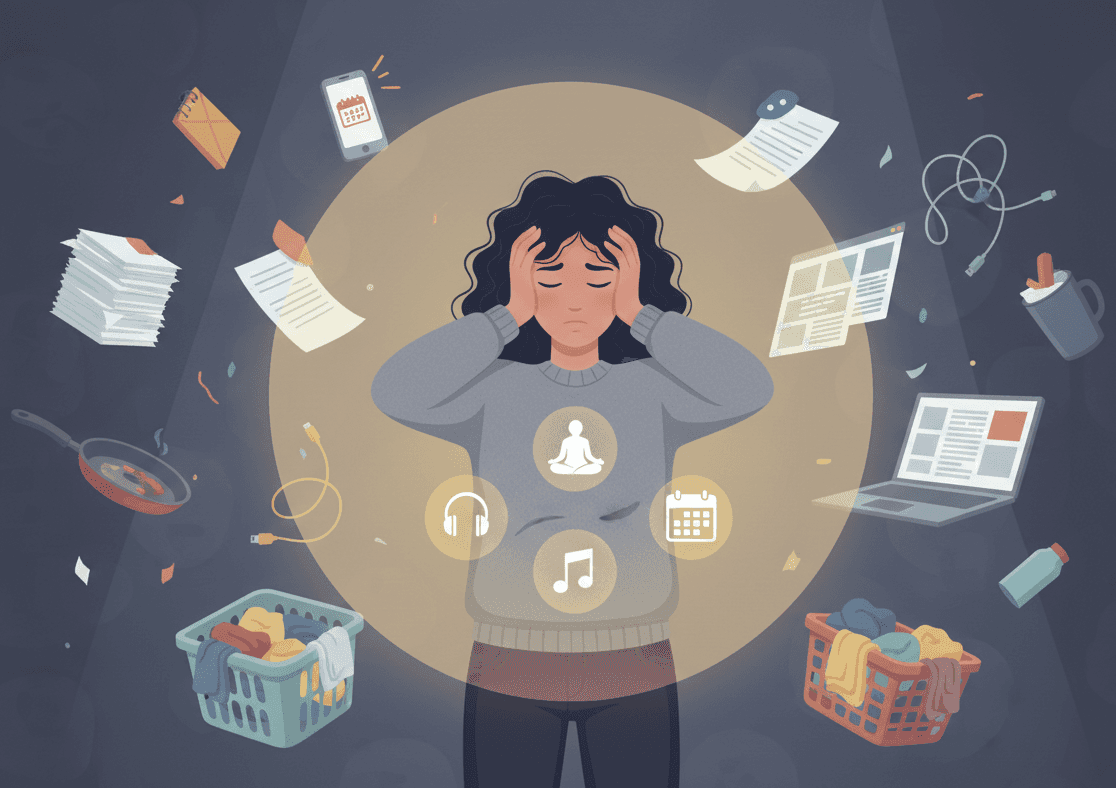


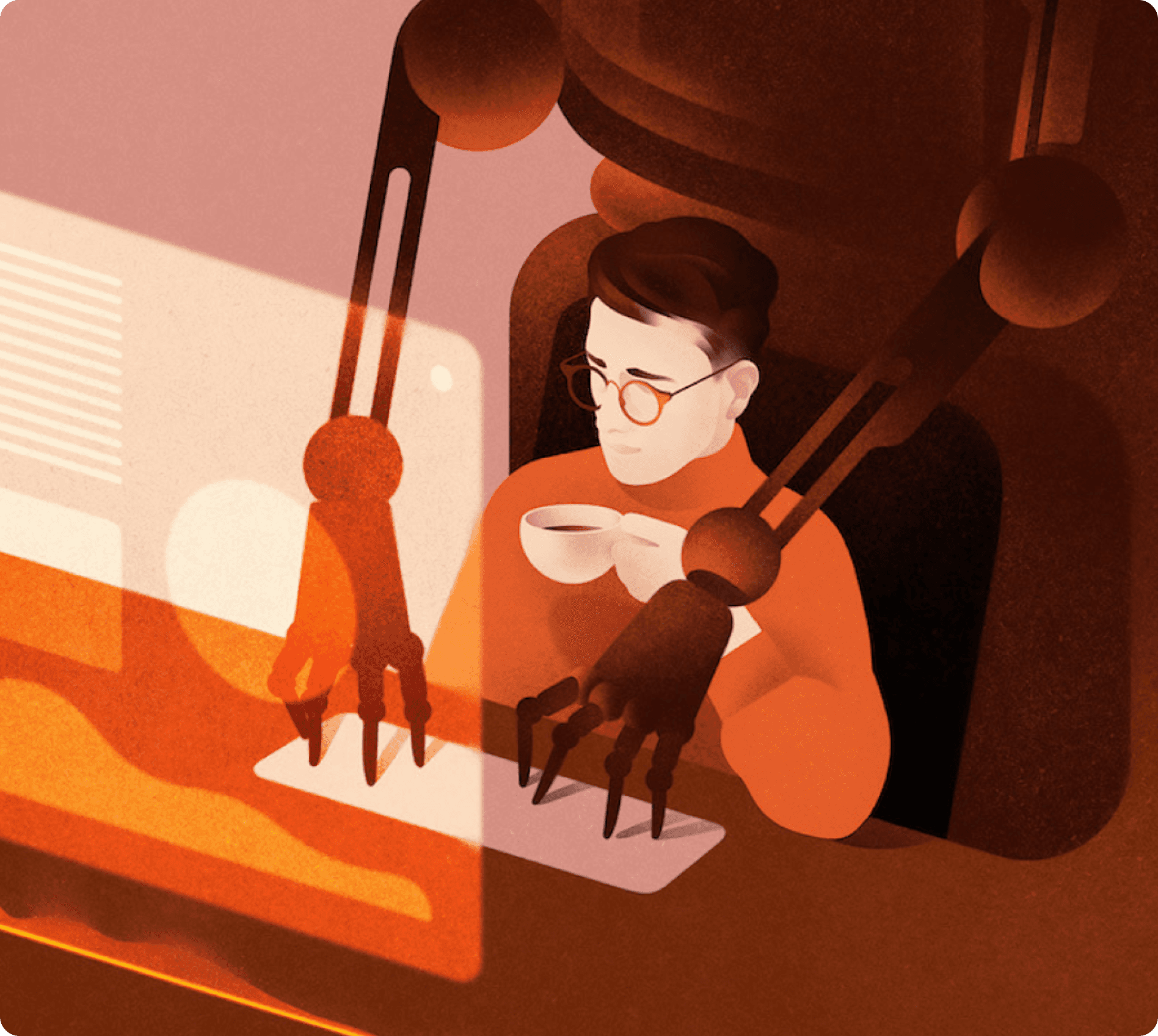
We’ve all been there: that suffocating sensation where the to-do list feels like a physical weight on your chest. You’re moving, you’re working, and you’re exhausted, yet the pile only seems to grow.
The most common mistake people make is assuming the solution to overwhelm is to work harder. But you can’t outrun a flood. Overwhelm isn’t a productivity problem; it’s a structural one. Simply put: Overwhelm happens when responsibility outweighs structure.
If you want to stop feeling like you're drowning, you have to stop swimming faster and start building a boat.
Why You Feel This Way
Overwhelm rarely has a single source. It is usually the result of several "leaks" in your mental and operational systems:
Too Many Open Loops: Every unfinished task is a "tab" open in your brain, draining your RAM.
Lack of Prioritization: When everything is important, nothing is. You spend your best energy on low-value tasks.
The "All-at-Once" Trap: Trying to solve the whole problem instead of the next step.
Isolated Emotional Weight: Carrying the stress of your responsibilities without a support system or an outlet.
The Absence of Deep Rest: You might be "off the clock," but if you're scrolling or worrying, you aren't recovering.
The Path to Clarity
The solution is a shift from intensity to intentionality. You don't need more "hustle"; you need more "margin."
1. Close the Loops
Get everything out of your head and onto paper. A "brain dump" stops your mind from looping over the same worries. Once it’s recorded, your brain can finally let go of the "reminder" function.
2. Radical Simplification
Look at your list and ask: What would happen if I just didn't do this? You’d be surprised how many "emergencies" are actually just distractions. Cut the fluff until only the essentials remain.
3. Build Protective Systems
Systems are the "structure" that balances out responsibility. This could be a morning routine that guards your energy, a strict "no-work" boundary after 6 PM, or a weekly review to set your priorities.
4. Prioritize Deep Rest
Rest is not a reward for finished work; it is a requirement for doing work well. Schedule time for activities that actually recharge you—whether that’s a walk without a podcast, a hobby, or simply staring at a wall for ten minutes.
The Bottom Line
You cannot "hustle" your way out of burnout. To stop feeling overwhelmed, you must reduce the mental load and protect your energy like the finite resource it is.
Stop looking at the mountain. Just look at your feet, take one intentional step, and let the systems you've built handle the rest.
If you're ready for clarity and structure, sign up for Zofy.



12k+